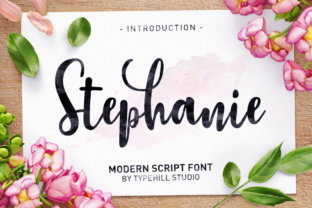
Stephanie Script: A Modern Font for Creative Expression
When it comes to typography, the right font can make all the difference. Stephanie Script is a new modern script font that stands out with its irregular baseline and trendy, feminine style. Designed for versatility, it’s ideal for a wide range of creative applications—from wedding invitations and thank you cards to logos, business cards, and more. Whether you're a designer, marketer, or hobbyist, understanding how to use Stephanie Script effectively can elevate your work and communication.
What Makes Stephanie Script Unique?
Stephanie Script is not just another script font—it's a carefully crafted design that blends elegance with modern flair. Its irregular baseline adds a sense of movement and personality, making it feel fresh and contemporary. The font features initial and terminal letters, alternates, ligatures, and supports multiple languages, which makes it adaptable for various projects and audiences.
One of the key reasons people are drawn to Stephanie Script is its visual appeal. It has a soft, flowing quality that feels both sophisticated and approachable. This makes it particularly well-suited for personal and professional branding, as well as creative content like quotes, greeting cards, and social media graphics.
Common Mistakes When Using Stephanie Script
While Stephanie Script offers great potential, there are several common mistakes people make when choosing, using, or applying it. Understanding these can help you avoid pitfalls and achieve better results.
- Overlooking Readability: One of the most frequent errors is assuming that because a script font looks beautiful, it will always be readable. Stephanie Script, while elegant, can be difficult to read in long blocks of text. Use it sparingly and consider pairing it with a clean sans-serif font for body text.
- Ignoring Language Support: While Stephanie Script supports multiple languages, not all characters may render correctly depending on the platform or software. Always test the font across different devices and systems before finalizing a design.
- Using It Everywhere: Another mistake is using Stephanie Script for every project. While it’s versatile, it’s not suitable for all contexts. For example, it may not be the best choice for formal documents or technical reports where clarity is paramount.
- Not Checking Licensing: Many fonts, including Stephanie Script, come with specific licensing terms. Failing to review these can lead to legal issues, especially if the font is used for commercial purposes. Always verify the license agreement before downloading or using the font.
- Underestimating the Learning Curve: Script fonts often require some practice to use effectively. Beginners might struggle with spacing, kerning, and alignment. Taking time to familiarize yourself with the font’s characteristics can save time and improve outcomes.
How These Mistakes Affect Your Work
Making these mistakes can have real consequences. Poor readability can confuse your audience and reduce the effectiveness of your message. Inappropriate use of the font may also damage your brand’s credibility, especially in professional settings. Legal issues from incorrect licensing can result in fines or reputational harm. And, of course, a lack of understanding can lead to frustration and wasted effort.
By being mindful of these considerations, you can ensure that Stephanie Script enhances rather than hinders your creative projects.
Practical Tips for Using Stephanie Script Successfully
If you’re looking to use Stephanie Script effectively, here are some practical tips to keep in mind:
- Use It Strategically: Save Stephanie Script for headlines, logos, and decorative elements rather than large amounts of body text. Pair it with a legible sans-serif font for optimal readability.
- Test Across Platforms: Ensure that the font displays correctly on different devices and platforms. Test it in web browsers, mobile apps, and print formats to avoid unexpected issues.
- Review Licensing Terms: Understand the terms of use for Stephanie Script. Some fonts are free for personal use but require purchase for commercial projects. Always check the license before using the font in any public-facing context.
- Practice Typography Skills: Take time to learn about typography fundamentals such as spacing, alignment, and contrast. These skills will help you use Stephanie Script more effectively and creatively.
- Consider Alternatives: If Stephanie Script doesn’t fit your needs, explore other script fonts that offer similar aesthetics but may be more suitable for your specific project.
What to Check Before Making a Decision
Before committing to Stephanie Script, there are a few things to consider:
- Project Purpose: Is the font appropriate for the intended use? Will it enhance or detract from the overall message?
- Target Audience: Does the font align with the preferences and expectations of your audience? Will they find it appealing and easy to read?
- Technical Compatibility: Can the font be used across all necessary platforms and formats? Are there any known compatibility issues?
- Cost and Availability: Is the font available for free or at a reasonable cost? Are there any hidden fees or restrictions?
- Design Consistency: Does the font complement other elements in your design? Does it maintain a cohesive visual style throughout your project?
By asking these questions, you can make a more informed decision and ensure that Stephanie Script is the right choice for your needs.
Conclusion
Stephanie Script is a versatile and stylish font that can add a unique touch to your creative projects. However, like any design tool, it requires thoughtful application to achieve the best results. By avoiding common mistakes, understanding its limitations, and using it strategically, you can harness its full potential and create visually compelling designs that resonate with your audience.