Script: A Versatile Handwritten Font for Creative and Professional Designs
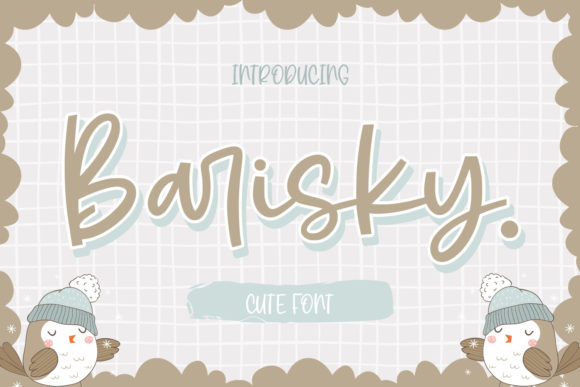
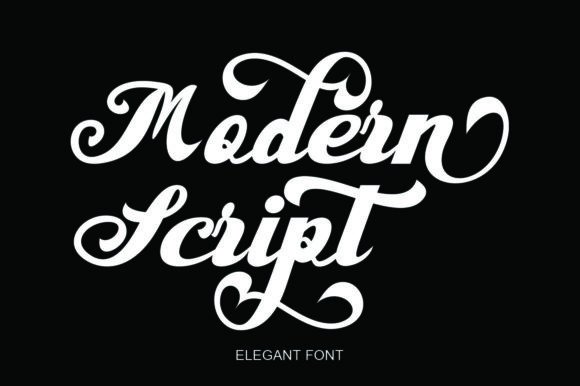
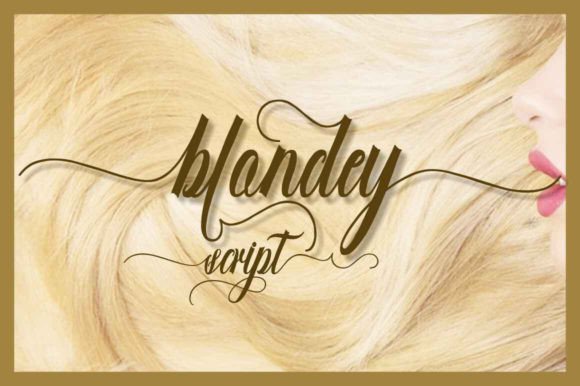
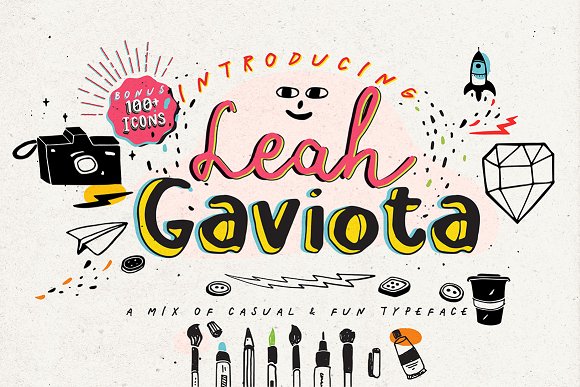
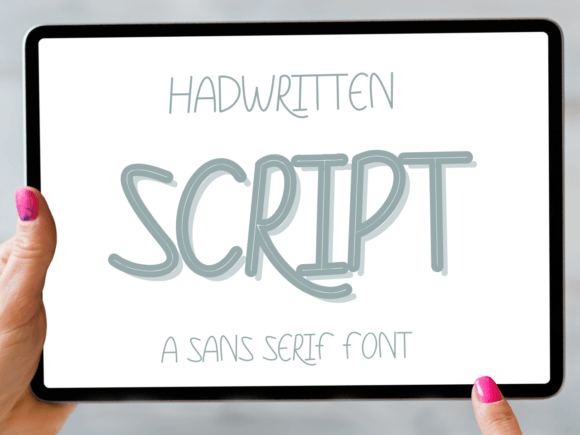
Script is a handwritten font that brings a sense of warmth, authenticity, and personality to any design project. With its natural, flowing curves and friendly appearance, it stands out as a unique choice in typography. Unlike more rigid or formal fonts, Script mimics the look of handwriting, making it ideal for projects that require a personal touch. Whether you're designing a wedding invitation, a brand identity, or digital content, Script offers a distinct aesthetic that can elevate your work.
What Makes Script Distinct?
Script's defining characteristic is its organic, cursive style. Each letter appears as if written by hand, with subtle variations in stroke weight and slant. This gives it a human feel that many other fonts lack. While some script fonts can appear too ornate or difficult to read, Script strikes a balance between elegance and legibility.
The font is available in multiple weights and styles, allowing designers to adapt it to different contexts. Some versions may include swashes or flourishes, which add visual interest but should be used sparingly to maintain readability. The versatility of Script makes it suitable for both print and digital media, including websites, social media posts, and marketing materials.
When to Use Script vs. Other Font Styles
Choosing the right font depends on the purpose of your design. Script is particularly well-suited for situations where a personal or artistic tone is desired. For example, it works beautifully in logos for boutique brands, invitations for special events, or headlines for lifestyle blogs.
However, there are scenarios where Script may not be the best option. In professional settings such as financial reports, legal documents, or technical manuals, a sans-serif or serif font would typically be more appropriate. These fonts offer better readability and a more formal appearance, which aligns with the expectations of such audiences.
Compared to other script fonts, Script's simplicity and clean lines make it more versatile. Fonts like Copperplate or Brush Script tend to be more elaborate and may not suit all design needs. Script avoids excessive embellishment, ensuring that it remains functional even when used in longer blocks of text.
Strengths of Script
- Personal Touch: Script adds a human element to designs, making them feel more approachable and authentic.
- Versatility: It can be adapted to various industries and applications, from fashion to food.
- Emotional Appeal: The friendly and warm style of Script can help build a connection with the audience.
- Visual Interest: When used effectively, Script can draw attention and enhance the overall aesthetics of a design.
Potential Tradeoffs
- Legibility Concerns: Like many script fonts, Script can be challenging to read in large quantities or at small sizes.
- Limited Formality: It may not be suitable for highly formal or corporate environments.
- Design Complexity: Achieving the right balance between style and clarity requires careful consideration and may take time to perfect.
Real-World Applications of Script
One common use of Script is in branding. Small businesses often choose this font for logos because it conveys a sense of individuality and craftsmanship. For instance, a local bakery might use Script in its logo to create a cozy, inviting atmosphere.
In digital design, Script can be used for headings or call-to-action buttons. However, it’s important to pair it with a complementary sans-serif font for body text to ensure readability. A blog about interior design might use Script for section titles while using a clean sans-serif font for the main content.
Event invitations also benefit from Script. Wedding invitations, birthday cards, or festival posters can all take advantage of the font's charm and elegance. The key is to use it in moderation and ensure that it doesn't overwhelm the design.
Comparing Script to Alternatives
While Script has its own unique qualities, it's helpful to understand how it compares to other similar fonts. For instance, Great Vibes is another popular script font known for its bold, dramatic look. It's great for headlines but may not be as readable as Script in smaller sizes.
On the other hand, Playfair Display is a serif font that offers a refined, elegant appearance. It's often used in editorial design and luxury branding. While it lacks the casual feel of Script, it provides a more professional and timeless look.
If you're looking for something more modern and minimal, Montserrat or Raleway are excellent sans-serif options. They offer high readability and a clean, contemporary aesthetic. However, they don't provide the same emotional or personal appeal as Script.
Factors to Consider When Choosing Script
Before deciding to use Script, consider the following factors:
- Project Purpose: Is the goal to convey professionalism, creativity, or something else? This will influence the font choice.
- Target Audience: Who are you trying to reach? A younger, more creative demographic may respond better to Script than an older, more traditional one.
- Readability Needs: How much text will be displayed in Script? Long paragraphs in a script font can be hard to read, so it's best suited for short phrases or headings.
- Brand Identity: Does the font align with the brand's personality and values? A tech startup might prefer a modern, minimalist font over a handwritten one.
Conclusion
Script is a valuable tool for designers who want to add a personal, artistic touch to their work. Its natural and friendly style makes it stand out in a world of uniform, machine-generated fonts. However, it's essential to use it wisely, considering the context, audience, and readability requirements.
Whether you're creating a brand identity, designing a website, or crafting event materials, Script offers a unique way to express creativity and emotion. By understanding its strengths and limitations, you can make informed decisions that enhance your designs without compromising functionality or clarity.