Ugly Script: The Elegant Charm of Imperfection
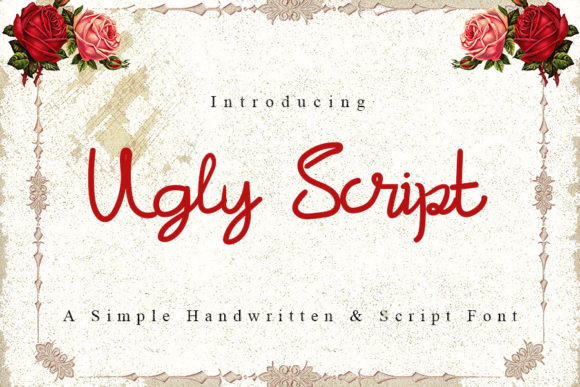
At first glance, Ugly Script might seem like an odd choice for professional design. Its name even hints at something unrefined or clumsy. But look closer, and you'll discover a font that balances charm with sophistication. This delicate and elegant handwritten typeface is more than just a quirky detail—it's a powerful tool for creating visually compelling designs that stand out in a sea of modern typography.
With its distinct and well-balanced letters, Ugly Script feels like a personal message written by hand. It carries the warmth of human imperfection while maintaining a level of professionalism that makes it suitable for a wide range of creative applications. Whether you're designing a brand identity, crafting social media content, or working on editorial layouts, this script font offers a unique voice that can elevate your work.
A Closer Look at Ugly Script’s Visual Characteristics
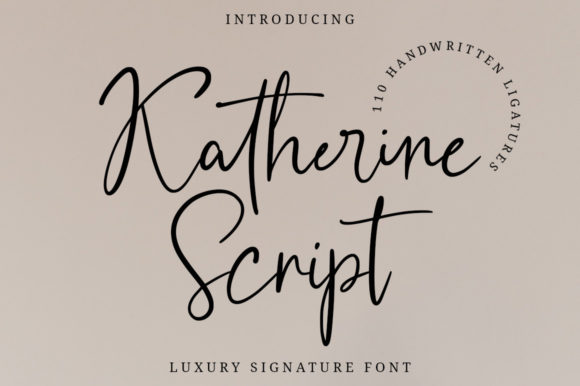
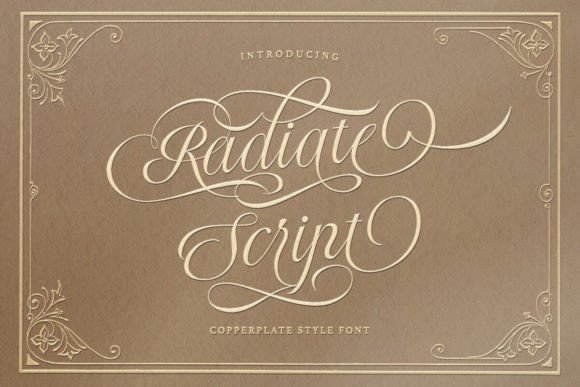
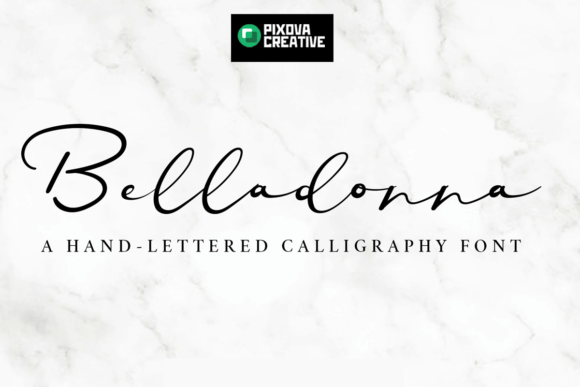
Ugly Script is a premium display font that mimics the natural flow of handwriting. Its characters are carefully crafted to resemble the subtle variations found in real cursive writing—slanted strokes, uneven spacing, and organic curves. These features give the font a sense of authenticity and personality that digital fonts often lack.
The font's style leans into the beauty of imperfection. While many script fonts aim for exaggerated elegance, Ugly Script embraces a more relaxed and approachable aesthetic. This makes it ideal for projects that want to convey warmth, creativity, and individuality without feeling overly formal.
One of the most appealing aspects of this font is its versatility. It works well as a headline font in web design, where it can draw attention without overwhelming the reader. In print, it adds a personal touch to invitations, packaging, or branding materials. Even in digital environments like email signatures or website headers, Ugly Script can help establish a memorable visual identity.
Where Ugly Script Shines in Real-World Projects
If you're looking for a font that can adapt to different contexts, Ugly Script is a great option. Here are some specific areas where it excels:
- Brand Identity: Use it in logos, business cards, or letterheads to create a friendly and distinctive brand image.
- Social Media Graphics: Add a personal flair to Instagram posts, Facebook covers, or Twitter banners with this expressive font.
- Packaging Design: Incorporate it into product labels or gift wrap to evoke a sense of craftsmanship and care.
- Editorial Design: Apply it to magazine covers, blog headers, or newsletter titles for a visually engaging layout.
- Web Design: Pair it with a clean sans-serif font for headings and subheadings that balance creativity with readability.
Its ability to blend seamlessly into both modern and traditional design styles means it can be used across a variety of industries—from fashion and food to tech and travel.
How Ugly Script Influences Your Design Choices
When selecting a font for any project, it's important to consider how it affects readability, hierarchy, and overall perception. Ugly Script brings a unique energy to the table, but it also requires thoughtful pairing and application to ensure clarity and effectiveness.
As a script font, Ugly Script is best used for short bursts of text rather than long paragraphs. When used as a headline or callout, it draws the eye and creates a focal point. However, when applied to body text, it may reduce legibility, especially for audiences who are not familiar with script styles.
For optimal results, pair Ugly Script with a complementary sans-serif or serif font. This contrast helps maintain visual hierarchy and ensures that the message remains easy to read. For example, using it alongside a clean sans-serif like Helvetica or Arial can provide a balanced and professional look.
Additionally, consider the context of your project. If you're targeting a younger audience or a niche market that values creativity and uniqueness, Ugly Script can help reinforce that identity. On the other hand, if your brand requires a more formal tone, use it sparingly or in combination with more traditional fonts.
Choosing the Right Style and Licensing Options
Before using Ugly Script, take time to evaluate the available styles and weights. Some versions of the font may offer additional options such as bold, italic, or condensed variants. These can be useful for creating visual interest or emphasizing certain parts of your design.
It's also important to review the licensing terms, especially if you're planning to use the font in commercial projects. Make sure the license allows for the intended use, whether it's for print, web, or digital media. Many premium fonts require separate licenses for each platform, so double-check the details before purchasing.
Finally, test the font in different scenarios to see how it performs. Try applying it to mockups of your project and observe how it interacts with other design elements. This will help you determine if it's the right fit for your needs.
In the world of modern typography, Ugly Script stands out as a refreshing alternative to overused and generic fonts. Its elegant yet imperfect style makes it a valuable asset for designers, marketers, and creatives looking to add personality to their work. With careful consideration and thoughtful application, this font can become a signature element of your brand or project.